Multiple Scripts Supporting More Than 200 Languages
Cherokee
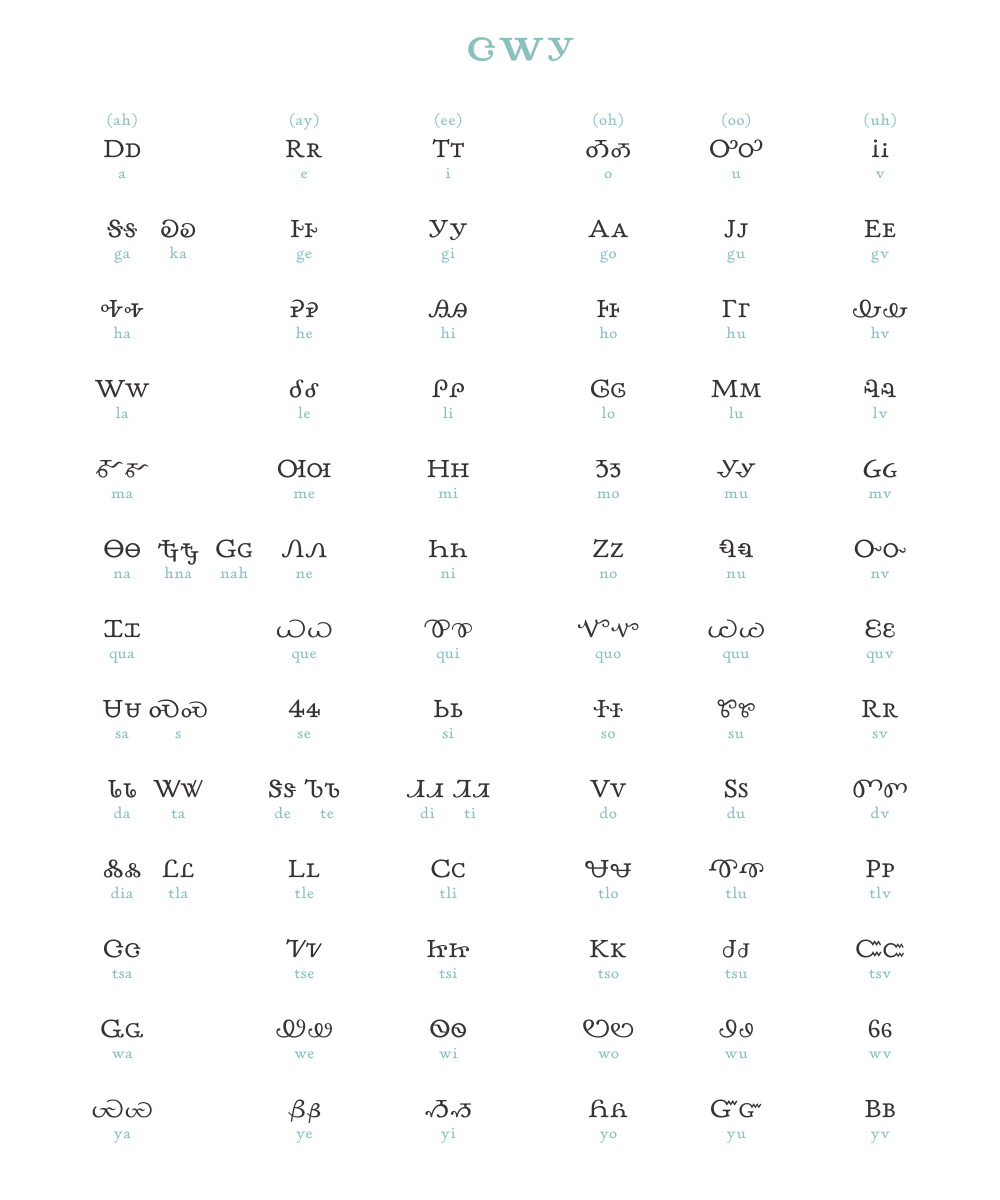
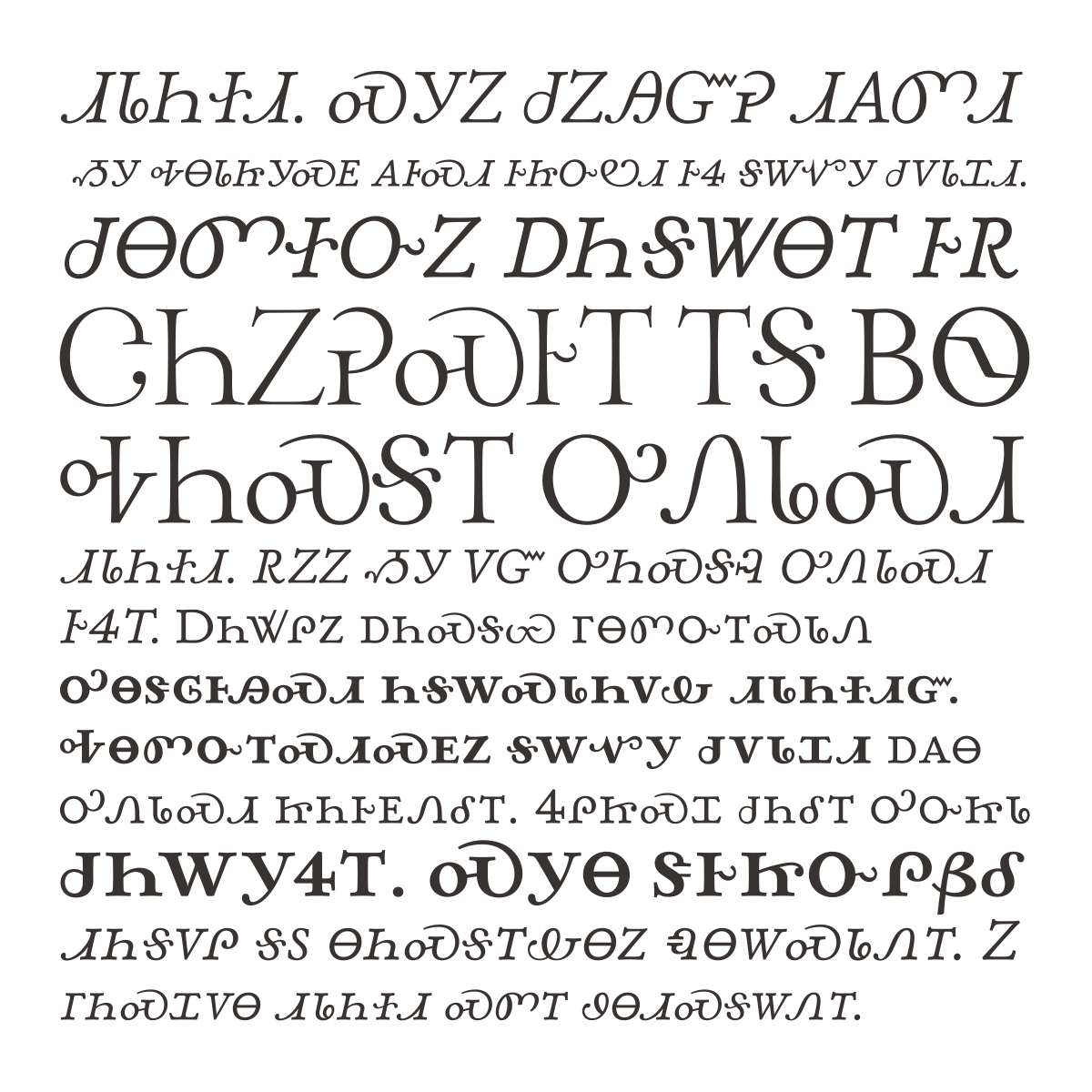
The written form of the Cherokee language, the Cherokee syllabary, was created by Sequoyah over the course of more than ten years in the early 1800s. This syllabary started literacy in the Cherokee Nation, and quickly led to the creation of printed books and documents.
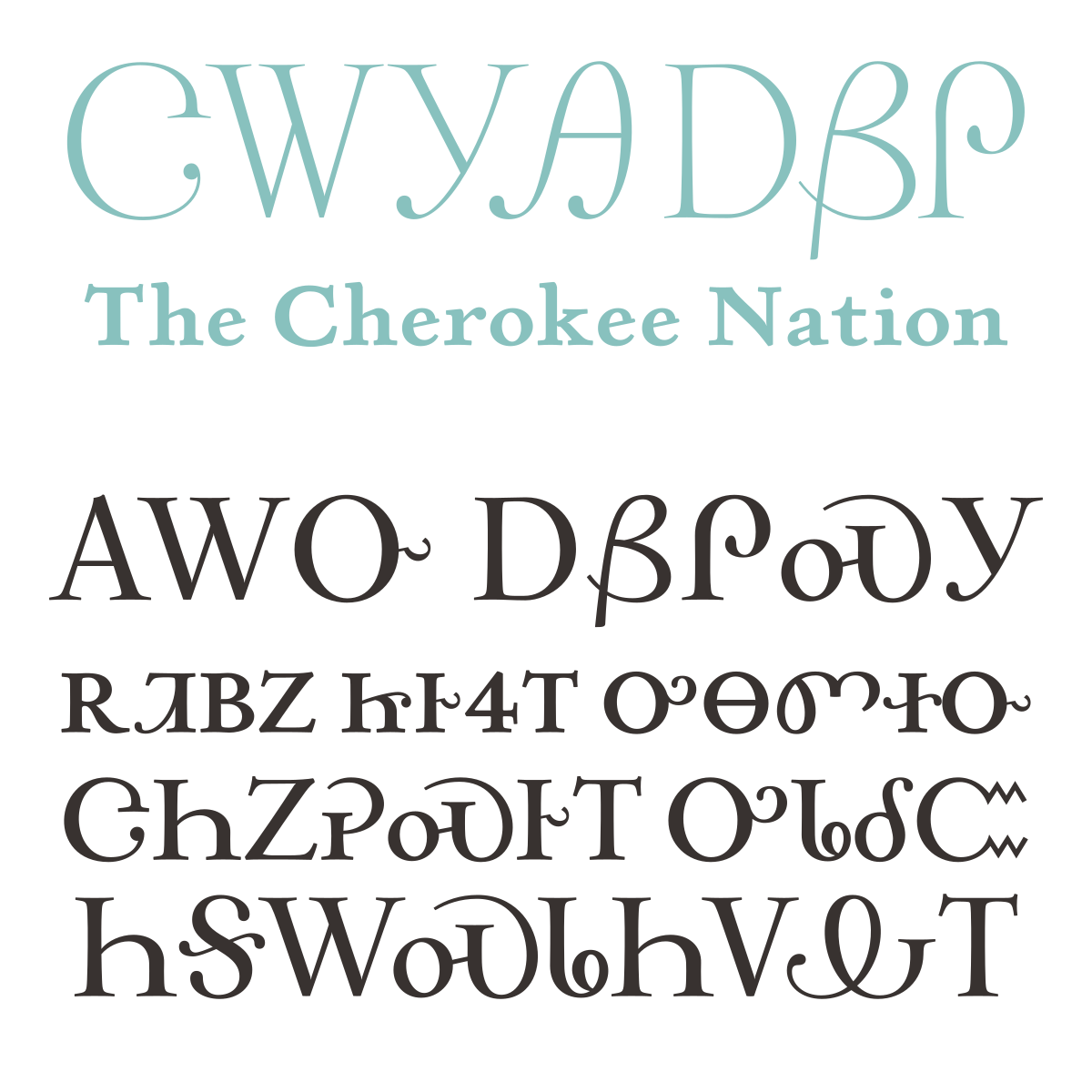
Stickley 2's designs reference these earliest materials of printed Cherokee, including the Cherokee Bible and the newspaper, the Cherokee Phoenix, to create a holistic style across all scripts.
This glyph set covers standard and small Cherokee (its equivalent of upper and lower cases), in roman and italic, with titling alternates in all three weights and all five optical sizes. Included is an OpenType stylistic set (#20) which changes phonetic/romanized Cherokee written in the Latin script, into the Cherokee syllabary.
Stickley 2's designs reference these earliest materials of printed Cherokee, including the Cherokee Bible and the newspaper, the Cherokee Phoenix, to create a holistic style across all scripts.
This glyph set covers standard and small Cherokee (its equivalent of upper and lower cases), in roman and italic, with titling alternates in all three weights and all five optical sizes. Included is an OpenType stylistic set (#20) which changes phonetic/romanized Cherokee written in the Latin script, into the Cherokee syllabary.
Cyrillic
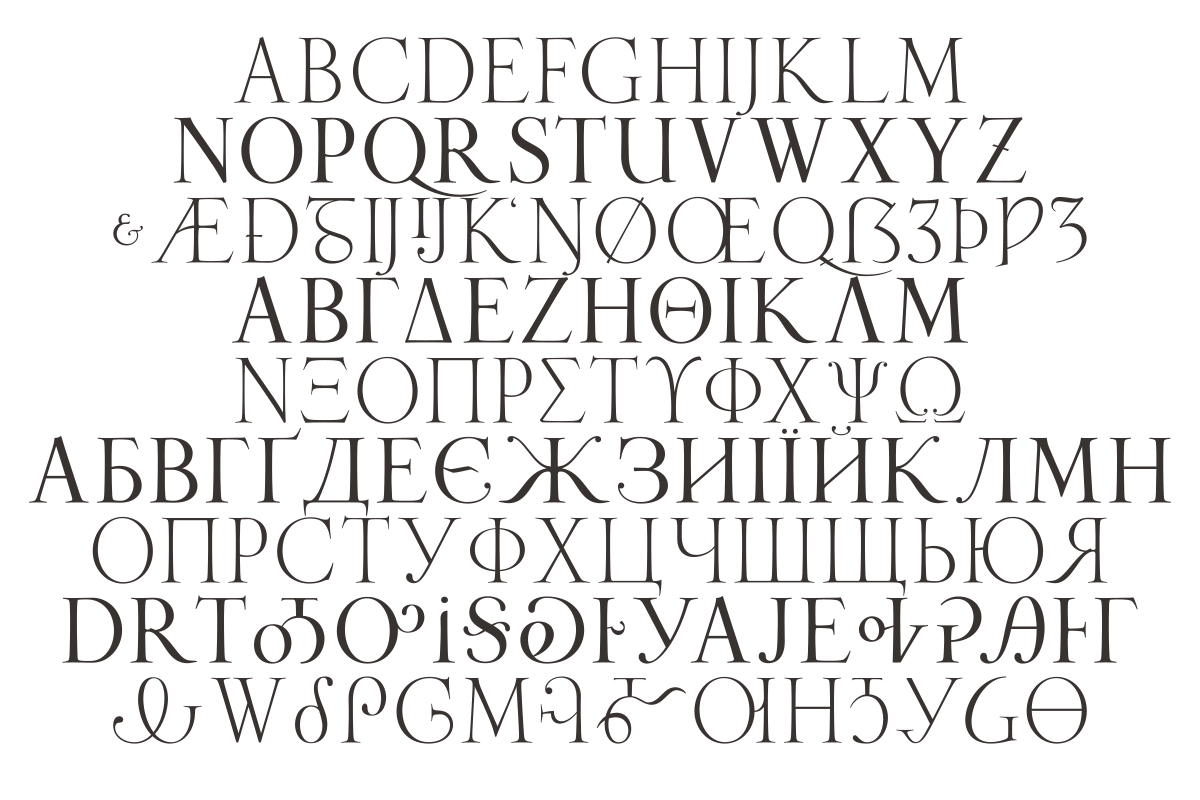
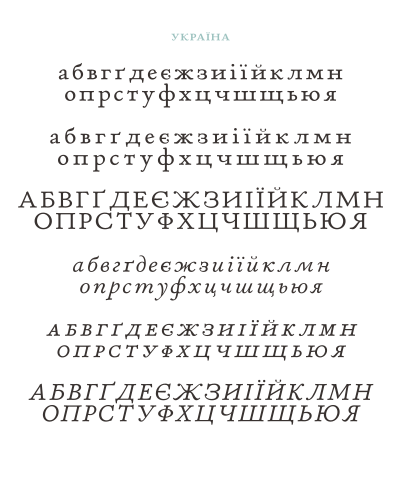
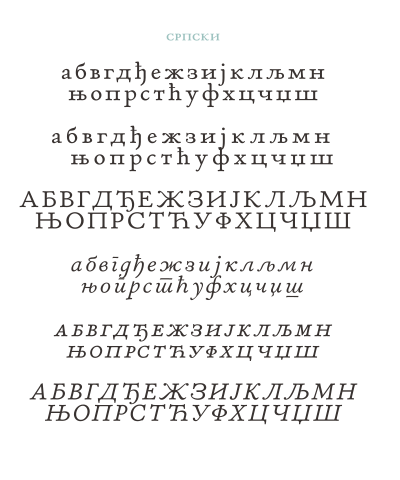
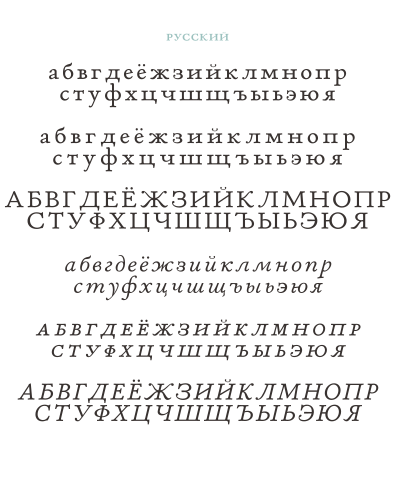
Stickley 2 includes Cyrillic uppercase, lowercase, small caps, and titling alternates, covering Ukranian, Serbian, and Russian, as well as localized versions in Serbian, Bulgarian, and Macedonian.
Greek
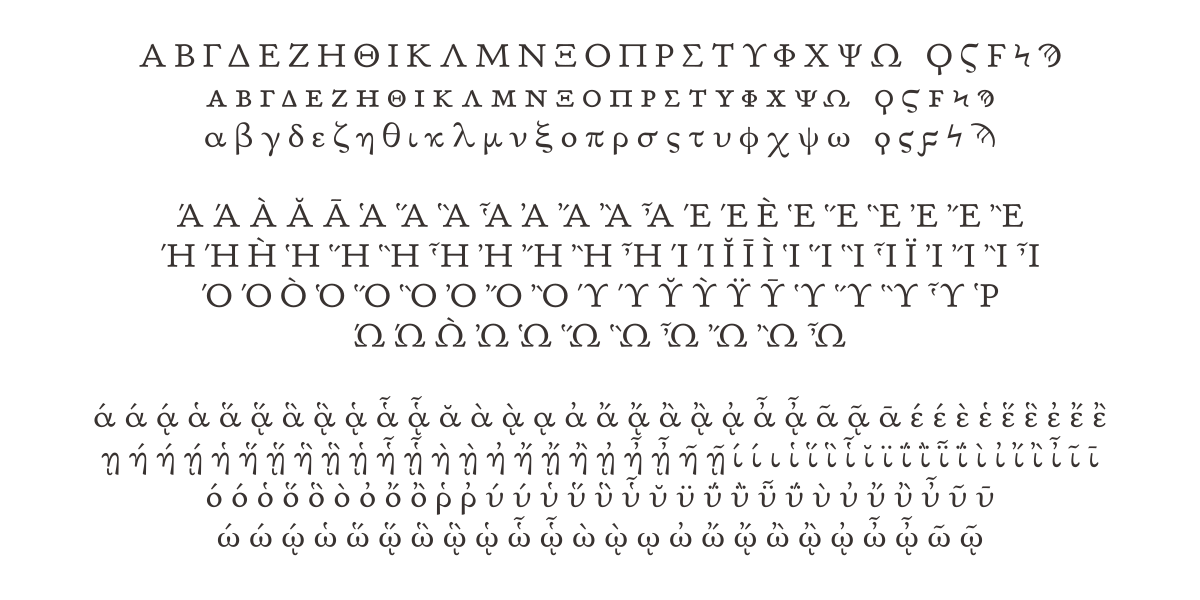
Glyph coverage includes modern uppercase, lowercase, small caps, and titling alternates, as well as historical forms and polytonic lower case.
Thanks
My thanks for their support, knowledge, and insights:
Prentice Robinson for Cherokee
Milos Vukeljic and Yuliya Babushkina for Cyrillic
Voula Kitsios for Greek
Prentice Robinson for Cherokee
Milos Vukeljic and Yuliya Babushkina for Cyrillic
Voula Kitsios for Greek